
There will be an online memorial service for Richard “Dick” Henmi on Sunday, September 27, 2020 at 1:00 pm Central time. Please sign in through the information contained on the memorial website.
There will be an online memorial service for Richard “Dick” Henmi on Sunday, September 27, 2020 at 1:00 pm Central time. Please sign in through the information contained on the memorial website.
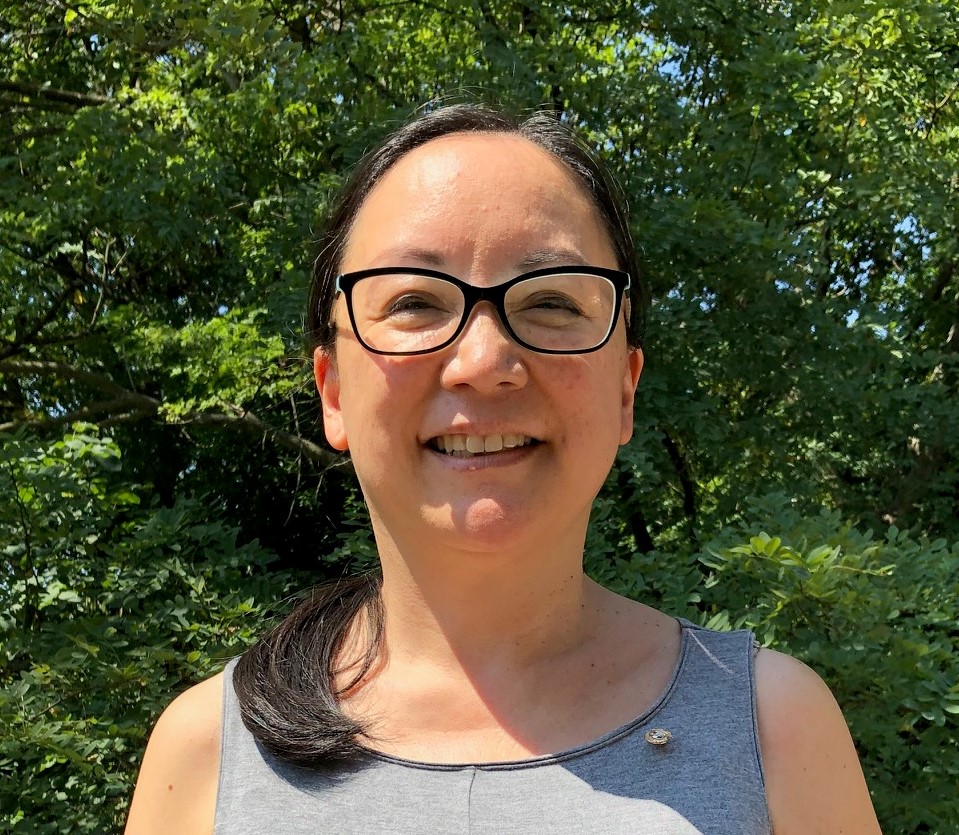
Wendy Roll, now resident of Huntsville, Alabama, recently received her much deserved JACL Past President’s Pin. Mrs. Roll was the longest serving president in St. Louis JACL Chapter history presiding during the years 2003 to 2019. Congratulations, Wendy, and thank you for your contributions!
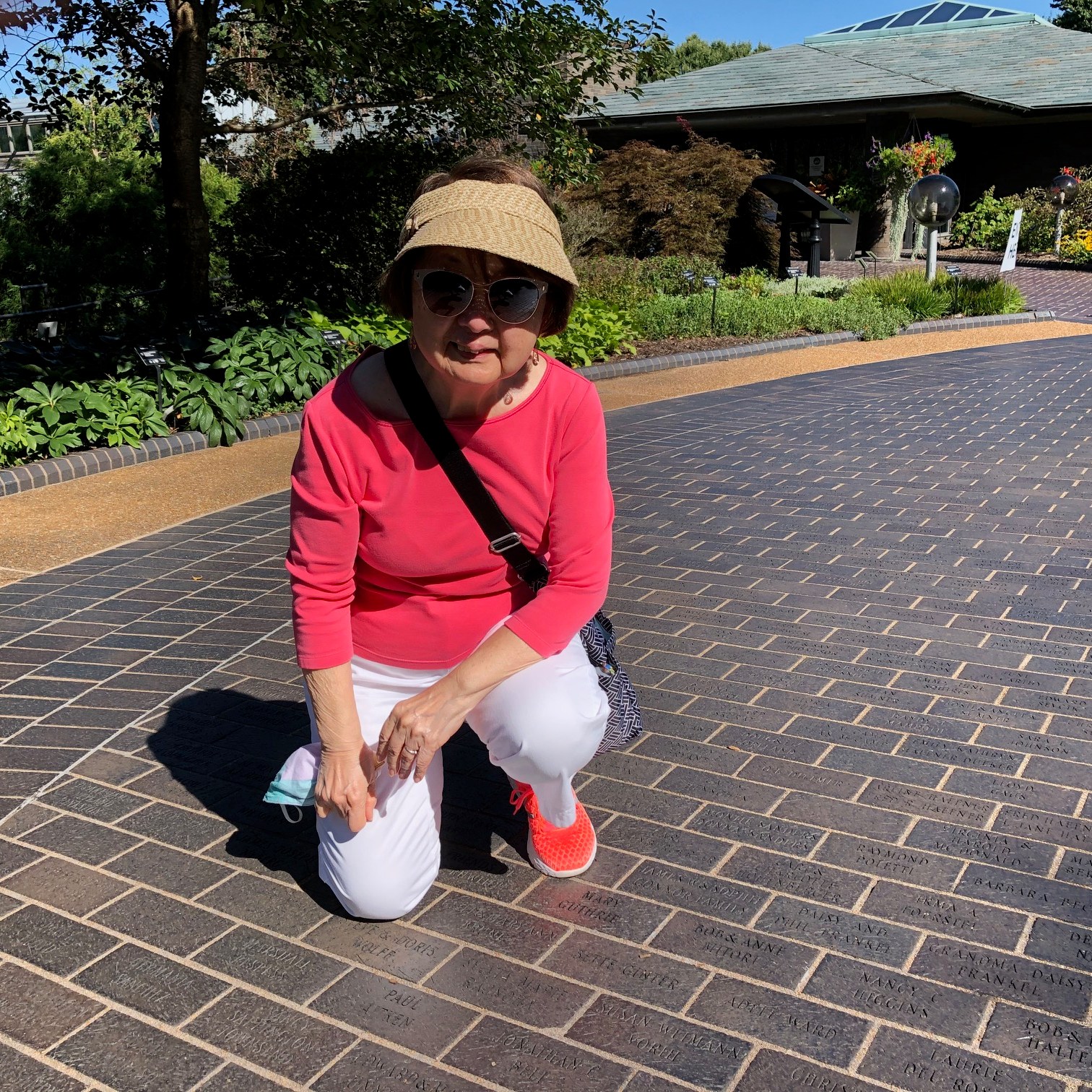
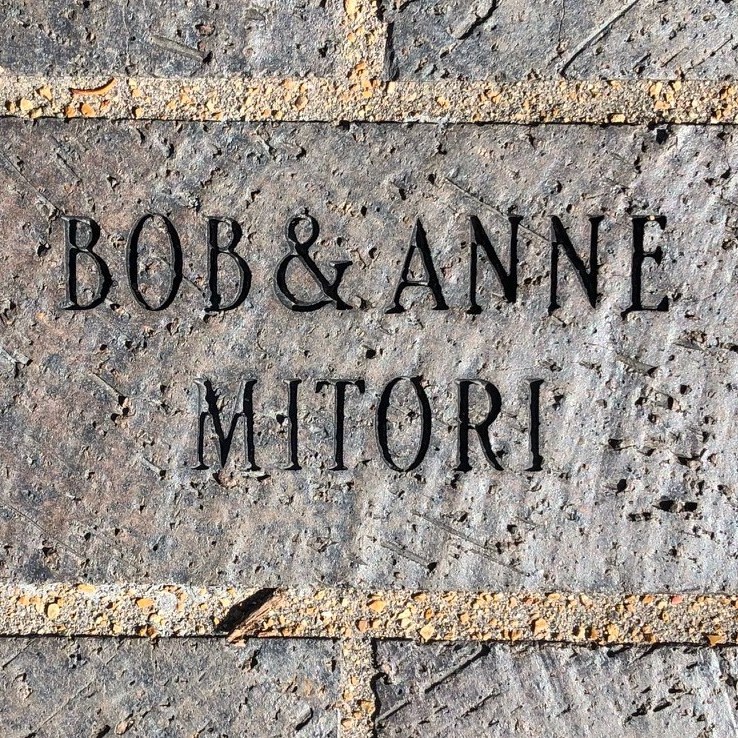
A brick at the circular courtyard of the William T. Kemper Center for Home Gardening at the Missouri Botanical Garden was dedicated to Bob and Anne Mitori on June 10, 2020 for their over 50 years of contribution to the Board of Directors of the St. Louis Chapter of the JACL. Mrs. Anne Mitori was able to view the brick for the first time on August 19.
Thank you to our partners at Nine Network for producing this lovely video.

The National Park Service is collecting cranes, with personal messages of peace, in one of three formats to be saved as part of “Messages of Peace.” The cranes will be collected in a time capsule to be opened in 2045, the 100th anniversary of the Hiroshima bombing. The deadline to send your crane is August 5, 2020.
https://www.nps.gov/mapr/learn/historyculture/messages-of-peace.htm
Tabemasho! Let’s Eat! by author Gil Asakawa of Mile Hi Chapter was part of the collaboration Tadaima! A Community Virtual Pilgrimage Week 6 LIVE Event. During this video Mr. Asakawa made mention of our very own St. Louis JACL cookbook, Nisei Kitchen. You can view the clip by going to the link below and scrolling down.
St. Louis JACL member and 1956 St. Louis Chapter President, Richard Henmi, passed away on July 7, 2020 at age 96. Mr. Henmi was famous for designing the “Flying Saucer” building at Grand Boulevard and Forest Park Avenue in midtown St. Louis that is now a Chipotle restaurant. Mr. Henmi was a very skilled bowler in the JACL Bowling League for many years.

The Digital Storytelling Competition for the JACL National Youth/Student Council is open for submissions until August 15, 2020.
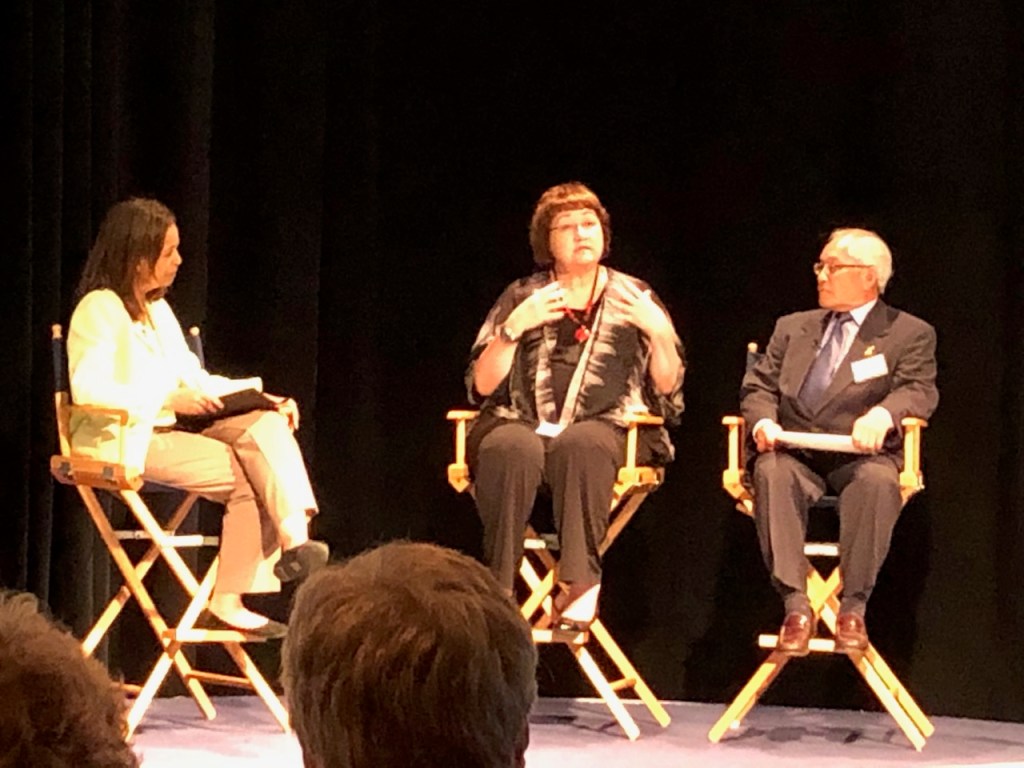
On May 8, 2019, a private screening was held at Nine Network in St. Louis for the documentary “Norman Mineta and His Legacy: An American Story” which aired later in the year on PBS. A panel discussion with Nine Network moderator Ruth Ezell and St. Louis JACL members Anna Crosslin, President and CEO of the International Institute of St. Louis, and David Shimamoto followed a viewing of the film.
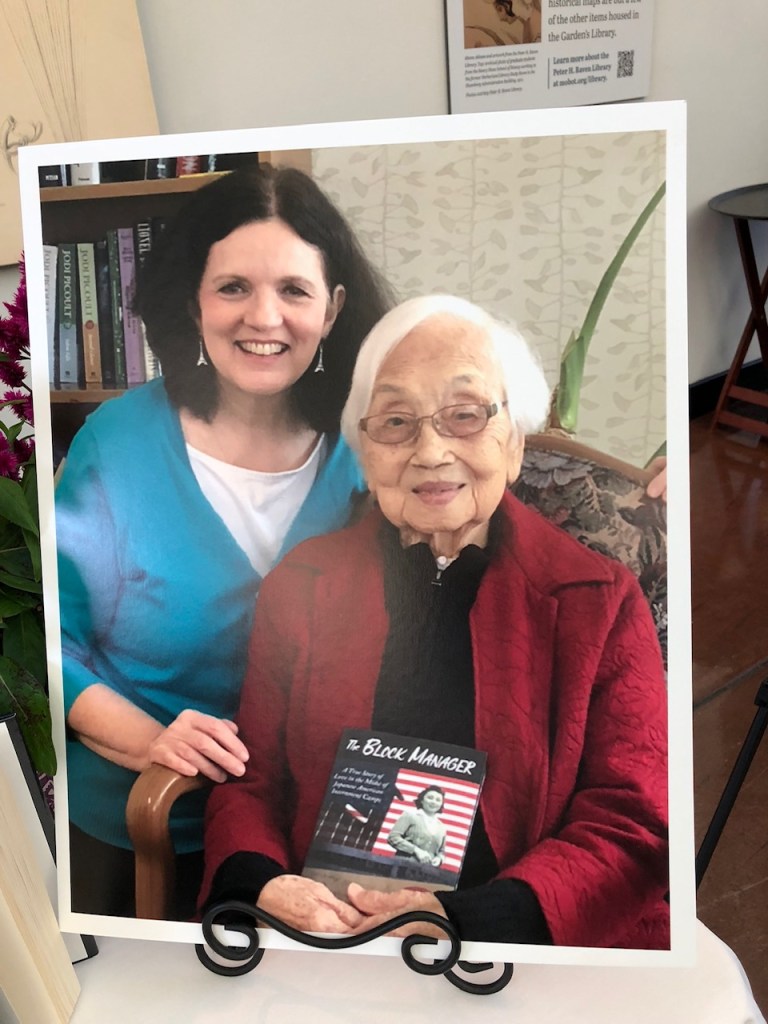
The JACL Book Club selection for 2020 is “The Block Manager: A True Story of Love in the Midst of Japanese American Internment Camps” by Judy Mundle published by Open Books Press. St. Louis resident Ms. Mundle wrote the story based on her close friend and long time co-worker and St. Louis JACL member, Janice (Janet) Koizumi.
St. Louis JACL held its annual Book Club discussion on January 10, 2020 and was honored to have Ms. Mundle in attendance. Additionally Ms. Mundle was the keynote speaker at the “Day of Remembrance” St. Louis JACL event at The Lodge on February 16, 2020 which was attended by approximately 60 persons. The “Day of Remembrance” observes the February 19, 1942, Franklin D. Roosevelt signing of Executive Order 9066, which authorized the incarceration of Japanese and Japanese Americans.
 St. Louis JACL